

If your car feels bouncy, unsettled, or “not as tight as it used to be,” you’ve probably heard someone say, “It’ll be your shocks.” But shock absorbers vs struts isn’t just a wording thing — they’re different parts, and knowing which one your car has helps you understand why it feels the way it does, what needs replacing, and why repair costs can vary.
At SL Autowerkes, European vehicle servicing and performance work goes hand-in-hand with keeping your suspension working properly — because comfort, stability, braking control, and tyre wear all start with how well the suspension system is doing its job.
If you’re noticing any suspension symptoms, book a check with Suspension repairs in Adelaide at SL Autowerkes.
Quick answer: shock absorbers vs struts
Here’s the simplest way to understand shock absorbers vs struts:
-
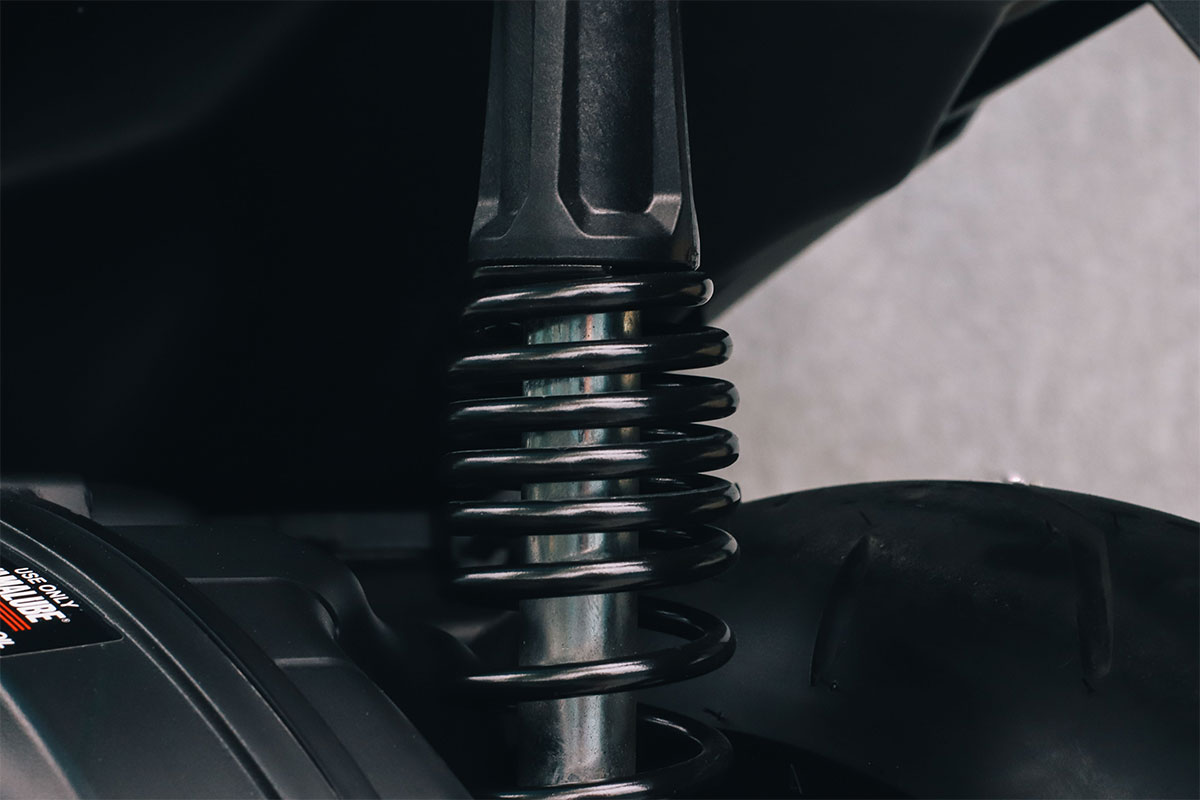
Shock absorber: A damper that controls spring movement. Its job is to reduce bouncing and keep tyres planted.
-
Strut: A damper that also forms part of the suspension structure. It can play a bigger role in how the suspension assembly fits together.
SL Autowerkes suspension servicing Adelaide covers core components like shock absorbers, struts, springs, bushings, control arms, and steering components — because these are the parts that most commonly create the symptoms drivers feel.
What’s on your car (and how to tell)
A lot of cars use struts on the front and a different design on the rear, but it varies by model and platform. Instead of guessing, use one of these:
Check your service information (fastest at home)
Your vehicle’s service documentation or parts listing can often confirm whether you have shocks, struts, or a mixed setup.
Get it inspected (fastest and most accurate)
If your goal is to fix the actual problem (not just name the part), an inspection is the quickest path. SL Autowerkes also offers Diagnostic & Repair support when symptoms are hard to pin down (noise/vibration that comes and goes).
Why it matters: handling, safety, and tyre wear
Understanding shock absorbers vs struts matters because worn dampers don’t just make the ride uncomfortable — they can affect:
Vehicle stability and braking control
SL Autowerkes notes that worn suspension components can lead to poor stability and reduced braking performance.
Tyre wear and running costs
Misalignment and suspension wear can contribute to uneven tyre wear. SL Autowerkes’ wheel alignment guidance highlights warning signs like uneven wear, pulling, off-centre steering, and steering vibration.
Internal link: If you’re seeing any of those signs, read Wheel alignment in Adelaide.
Why “struts” can change repair scope
Because a strut can be more integrated into the assembly, replacement can sometimes involve more related components and more labour than a basic shock setup. That’s why “shock absorbers vs struts” is often a “cost question” as much as a “car question.”
Symptoms of worn shocks or struts
If you’re researching shock absorbers vs struts because your car feels wrong, these are the practical symptoms to watch for.
SL Autowerkes lists common suspension warning signs, including:
- Excessive bouncing or dipping
If the car keeps bouncing after bumps or dives heavily under braking, damping control can be reduced. This is one of the most common reasons people start looking up shock absorbers vs struts. - Clunking or knocking over bumps
A knock can mean play has developed in suspension or steering components. Even if the root issue isn’t the damper itself, it’s often discovered during a suspension inspection. - Pulling to one side or vague steering feel
Pulling and “wandering” steering can be alignment-related, but worn suspension parts can also stop your car from holding correct geometry under load. - Uneven tyre wear or steering wheel vibration
Uneven wear and vibration are common signs that something isn’t tracking correctly — and alignment is often part of the fix-path after the worn component is addressed.
Costs: what changes the quote
When people ask “what’s the difference in cost for shock absorbers vs struts,” the honest answer is: it depends on the system and what else is worn. Here’s what usually changes the quote:
1) What’s actually worn (damper vs supporting components)
SL Autowerkes suspension repairs cover more than shocks/struts — including springs, bushings, control arms, and steering components. If supporting parts are worn, replacing only the damper may not restore the ride and handling you’re chasing.
2) One side vs both sides
Many dampers are best replaced in pairs (left/right) to keep handling consistent.
3) Alignment after the repair
Wheel alignment is often relevant after geometry-affecting suspension work, especially if symptoms included pulling, uneven wear, or vibration. SL Autowerkes offers wheel alignment services in Adelaide, particularly for European vehicles.
4) Repair vs upgrade goals
If you’re not just fixing wear but want sharper control, you might be considering upgraded components. SL Autowerkes also discusses performance suspension in Adelaide and what it’s designed to improve (handling, grip, ride control).
What to replace (a smart approach)
Here’s a practical way to approach shock absorbers vs struts replacement decisions:
-
Confirm the cause (inspection beats guessing)
-
Replace the worn damper(s) where appropriate (often as a pair)
-
Check the rest of the system if symptoms suggest it (bushes, control arms, steering components)
-
Complete alignment when relevant so the car tracks straight and tyres wear evenly
Book a suspension check at SL Autowerkes Adelaide
If you’re researching shock absorbers vs struts because your car feels unstable, noisy, or harsh, the best next step is a suspension inspection and a clear plan from Our Team at SL Autowerkes.
Book now: Suspension repairs in Adelaide
Phone: 0422 493 405
FAQs
How do I know if my car has shocks or struts?
Check service info, or book an inspection to confirm what’s fitted and what’s worn.
What symptoms mean my shocks or struts are worn?
Bouncing/dipping, clunking over bumps, pulling, vague steering feel, uneven tyre wear, and steering vibration are common warning signs.
Do struts cost more to replace than shocks?
Sometimes — if the strut is part of a more integrated assembly or if related parts are worn and need addressing.
Do I need wheel alignment after replacing struts or shocks?
Often, yes when geometry is affected or symptoms included pulling/uneven wear/vibration.
What else should be checked during suspension repairs?
Supporting components like springs, bushings, control arms, and steering components if system wear is present.