What a Pre-Purchase Inspection Should Include: A Checklist for Used Car Buyers
A used car can look perfect in the driveway. It can still hide expensive faults out of sight. Here is the checklist a proper inspection works through.
What Is a Pre-Purchase Inspection?
A pre-purchase inspection is an independent assessment of a used car, carried out before you buy it. What a pre-purchase inspection should include is a mechanical check of the engine, transmission, brakes, steering and suspension. It also covers an electronic scan of the control modules and an underbody inspection on a hoist. The body and interior are assessed for accident or water damage. A road test and a written report complete the job. The report lists faults, wear items and the likely cost of fixing them.
A private seller has no duty to tell you what is wrong with the car. A dealer’s own check is not independent either. The inspection gives you a neutral picture before the money moves. You can then buy with confidence, negotiate on evidence, or walk away.
This matters even more with European cars. A BMW, Audi, Mercedes or VW can present beautifully and still hide expensive faults. A worn timing chain tensioner is one example. A leaking turbo or neglected transmission fluid are others. All of them are expensive repairs. None of them announce themselves on a ten minute test drive.
The Checklist: What a Pre-Purchase Inspection Should Include
Not every inspection covers the same ground. Some are a quick visual walk around. Others are a full workshop assessment. The four areas below separate a useful report from a worthless one. Confirm all four are covered before you book anywhere.
Mechanical Inspection Checklist
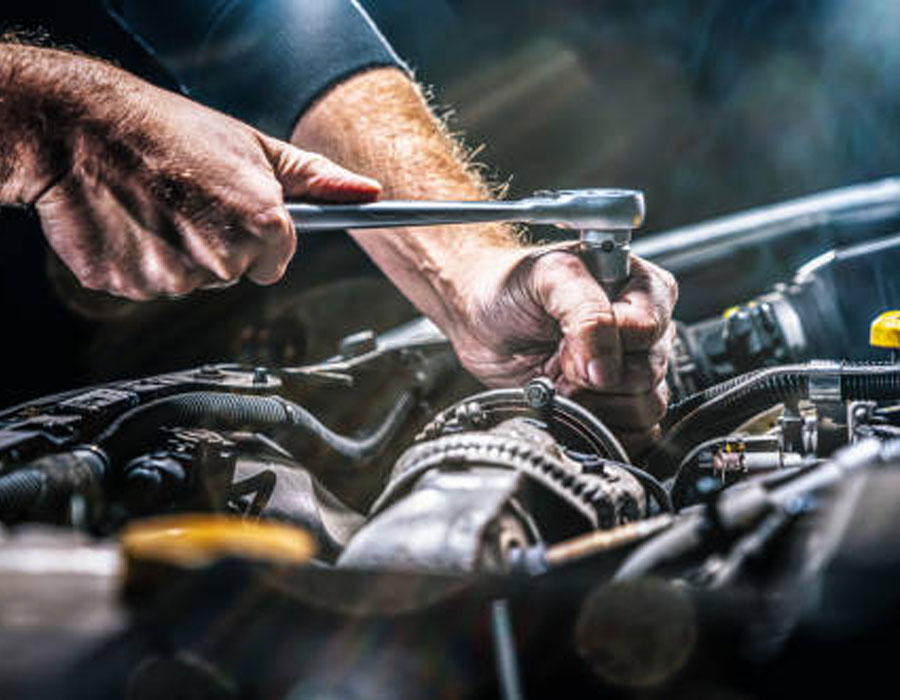
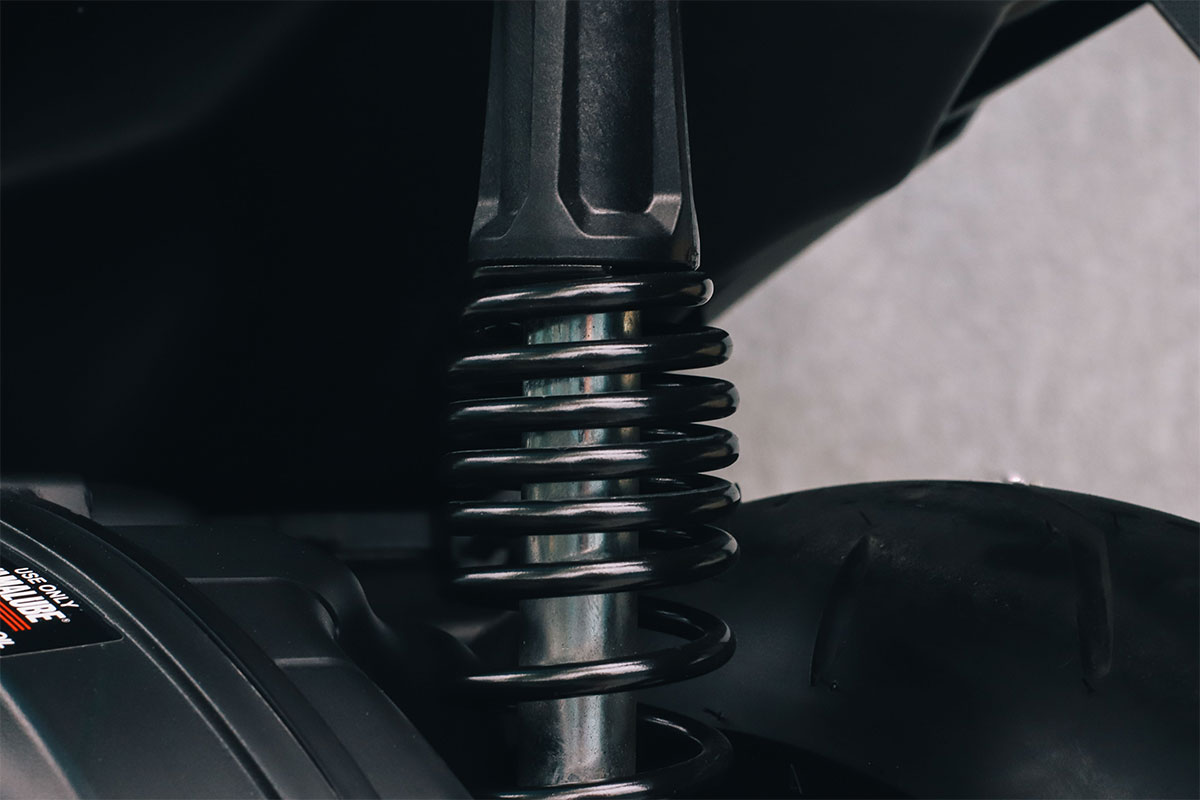
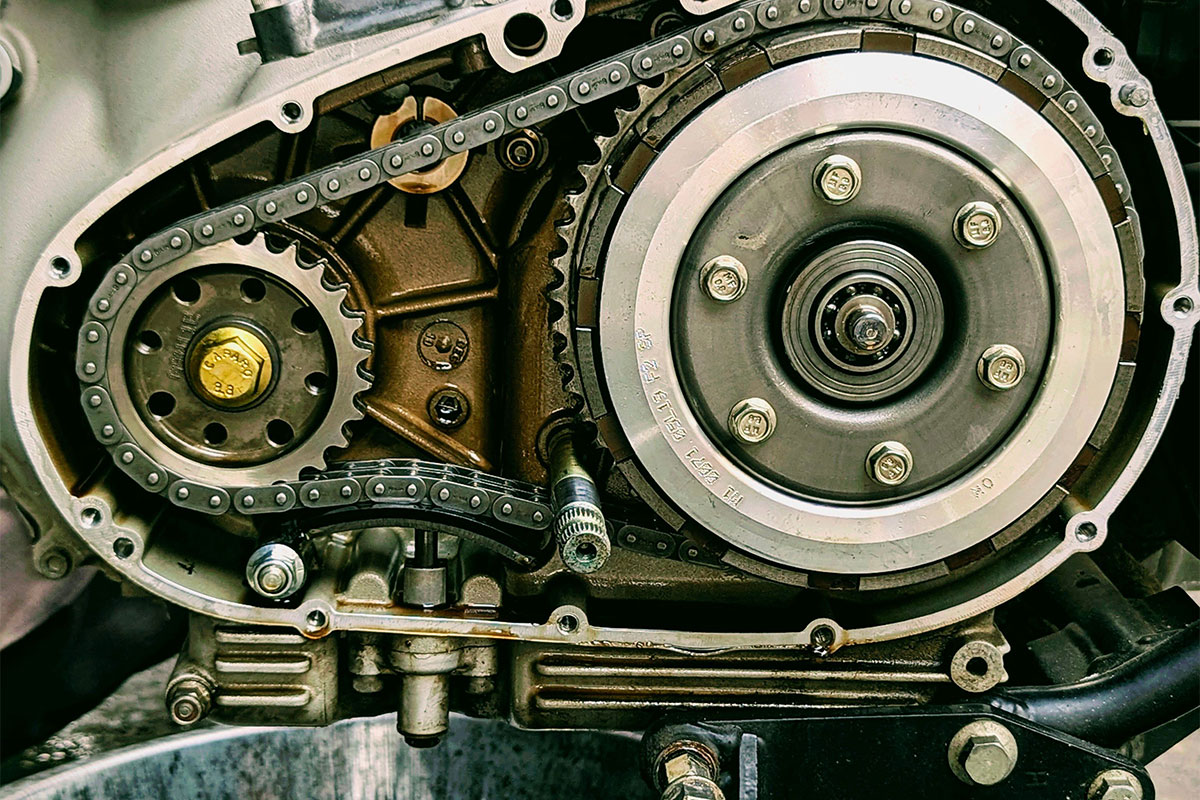
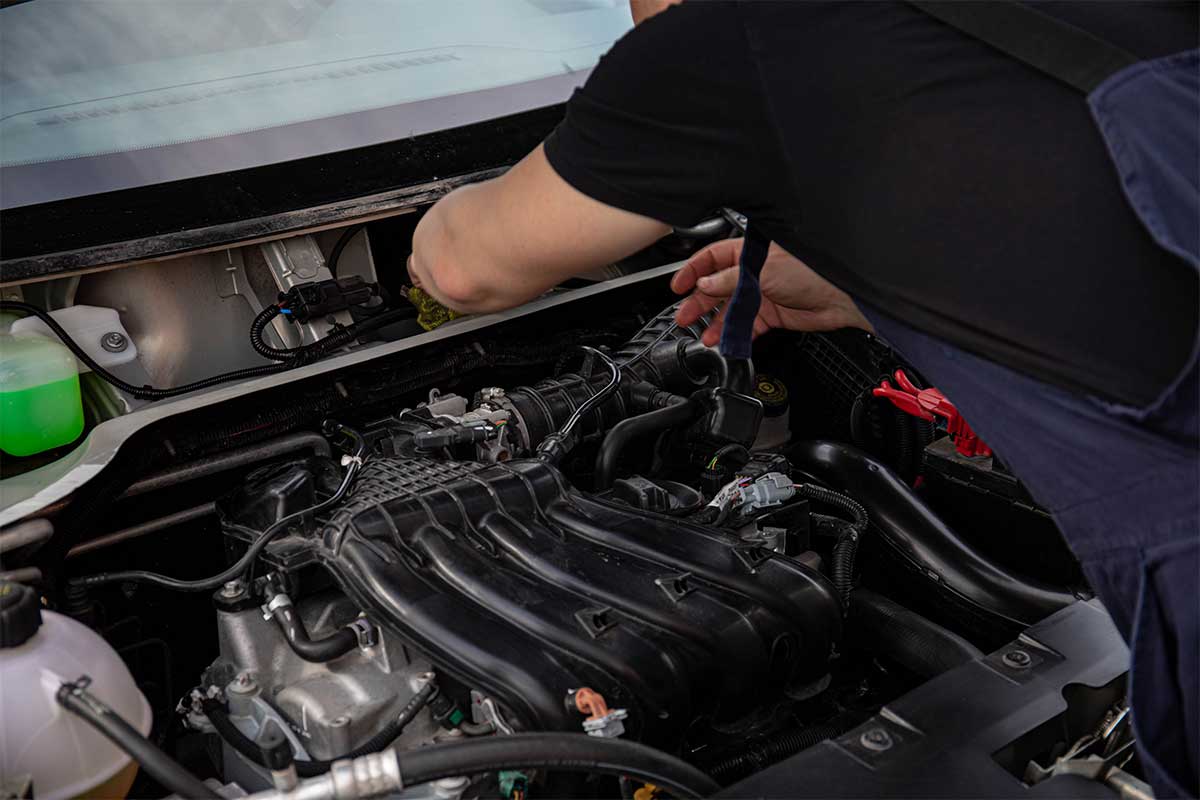
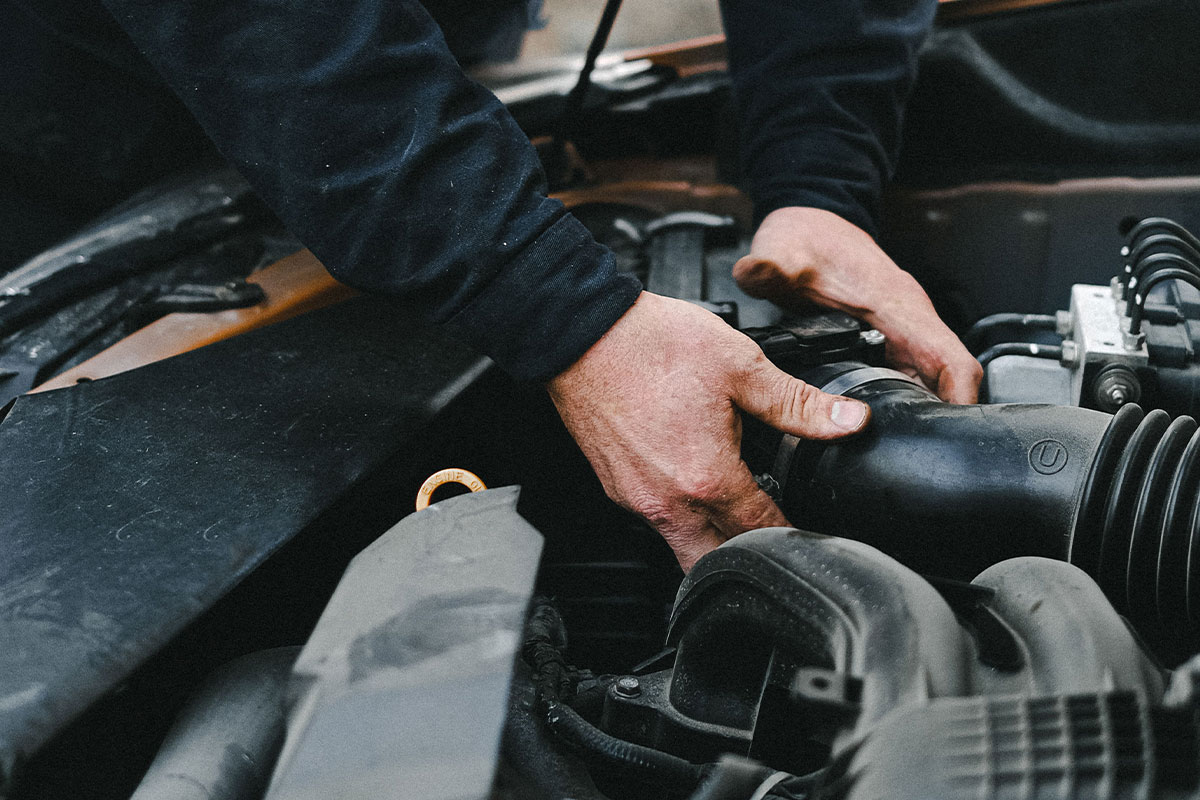
The engine is checked cold and at operating temperature. The technician looks for leaks, smoke, noise and rough running. Oil and coolant condition are assessed. So are the belts, hoses, cooling system and turbo. On the hoist, the underbody is inspected for leaks, corrosion and exhaust damage. Brake pads and discs are measured for remaining life. Tyres are checked for tread depth and uneven wear. Uneven wear often points to an alignment or suspension fault. Bushes, ball joints and shock absorbers are tested for play. A road test then confirms how the car shifts, brakes and tracks.
Electrical System Checks
A basic code reader only sees engine faults. A proper inspection uses factory-grade software. It scans every control module in the vehicle. That includes transmission, ABS, airbags, air suspension, infotainment and driver assistance. Stored and intermittent codes matter most. A seller can clear a dashboard light on the morning of the sale. The stored history is far harder to erase. The battery and charging system are load tested. Lights, windows, locking, air conditioning, cameras and sensors are all checked. On modern European cars, this section often finds more than the mechanical check does.
Body and Interior Condition
Panel gaps, paint finish and paint thickness readings reveal past repairs. Overspray on rubber seals is a giveaway. So is mismatched panel colour or replaced glass with a different date stamp. The technician checks for rust in the arches, sills and boot floor. The spare wheel well is inspected for water and rear impact damage. Damp carpets, musty smells and corroded fixings point to a leak. Inside, seat, pedal and steering wheel wear are compared against the odometer. A heavily worn interior on a low kilometre car is a question worth asking.
Common Red Flags to Look For
Some findings justify a price adjustment. Others should end the conversation. A missing or incomplete service logbook is one. So is a seller who has the car warm before you arrive. Recently cleared fault codes are another warning. Watch for milky residue under the oil cap, or blue smoke under load. A transmission that shudders between gears belongs in the same group. Evidence of structural repair is serious. So is an odometer reading that does not match the service history. Outstanding finance on the vehicle is a deal breaker. Pressure to skip the inspection is the clearest red flag of all.
Close to committing on a used European car? Contact our team before the deposit goes down.
Why a Professional Inspection Is Crucial
A friend who knows cars can spot obvious problems. What they cannot do is put the vehicle on a hoist. They cannot measure brake disc thickness or read transmission adaptation values. They cannot confirm whether the rear quarter paint is factory thickness. That gap is where the expensive surprises live.
Then there is the negotiation side. A written report is evidence. Worn brakes, a due timing belt and a leaking sump gasket all move a price. A general impression never will. Many buyers recover the cost of the inspection in the first conversation after it. Those who walk away from a bad car save far more.
At SL Autowerkes in Stepney, a pre-purchase inspection covers everything above. It is carried out by technicians who work on European vehicles daily. They already know what a pre-purchase inspection should include for your specific model. The report tells you what is normal for that car, and what is not.
If the inspection finds something, the same workshop can fix it:
- Pre-purchase inspections for used European vehicles
- Diagnostic and fault repair using factory-grade software
- Brake repairs and ABS system servicing
- Suspension repairs and upgrades
- Clutch and transmission repairs including DSG servicing
- Timing belt and timing chain service
- Radiator and cooling system repairs
- Logbook servicing to get the service history back on track
📍 SL Autowerkes, Unit 81/75-91 Magill Rd, Stepney SA 5069
📞 0422 493 405 | ✉️ contact@sl-autowerkes.com
🕐 Mon, Wed & Fri 8:30 AM to 5 PM | Tue & Thu 8:30 AM to 9 PM
Found a car you are serious about? Book an inspection and buy it knowing exactly what you are getting.
Frequently Asked Questions: Pre-Purchase Inspections
How long does a pre-purchase inspection take?
Most inspections take one to two hours in the workshop. The exact time depends on the car and what the scan turns up. Everything covered in what a pre-purchase inspection should include takes time to do properly. The hoist assessment and the module by module scan are the slowest parts. A check finished in twenty minutes has almost certainly skipped something. Allow extra time if the car has to be brought in from across town. Book ahead rather than squeezing it into the day of the sale.
Do I still need an inspection if the car has a warranty?
Yes, in most cases. A dealer’s own pre-sale check is not independent. Dealer and third party warranties often exclude wear items, fluids and pre-existing faults. That is exactly where the cost sits on a used European car. An independent inspection tells you the real condition of the vehicle. It also shows what you are likely to spend over the next twelve months. And it gives you documentation. That helps if a fault appears soon after purchase and you need to raise it.
Can the seller refuse a pre-purchase inspection?
A seller can refuse. If they do, that is your answer. A genuine seller with a well maintained car has nothing to lose. Many are happy to drive the vehicle to the workshop themselves. Be careful if a seller agrees but keeps delaying. The same applies if they insist on a workshop they nominate. Buying on trust is the expensive option. A transmission fault found a fortnight later costs far more than any inspection.
Know the Car Before You Buy It
SL Autowerkes in Stepney inspects used European vehicles properly. On a hoist, with factory-grade diagnostics, by technicians who know these platforms. Book online or call the team directly.
Call 0422 493 405 | Unit 81/75-91 Magill Rd, Stepney SA 5069